
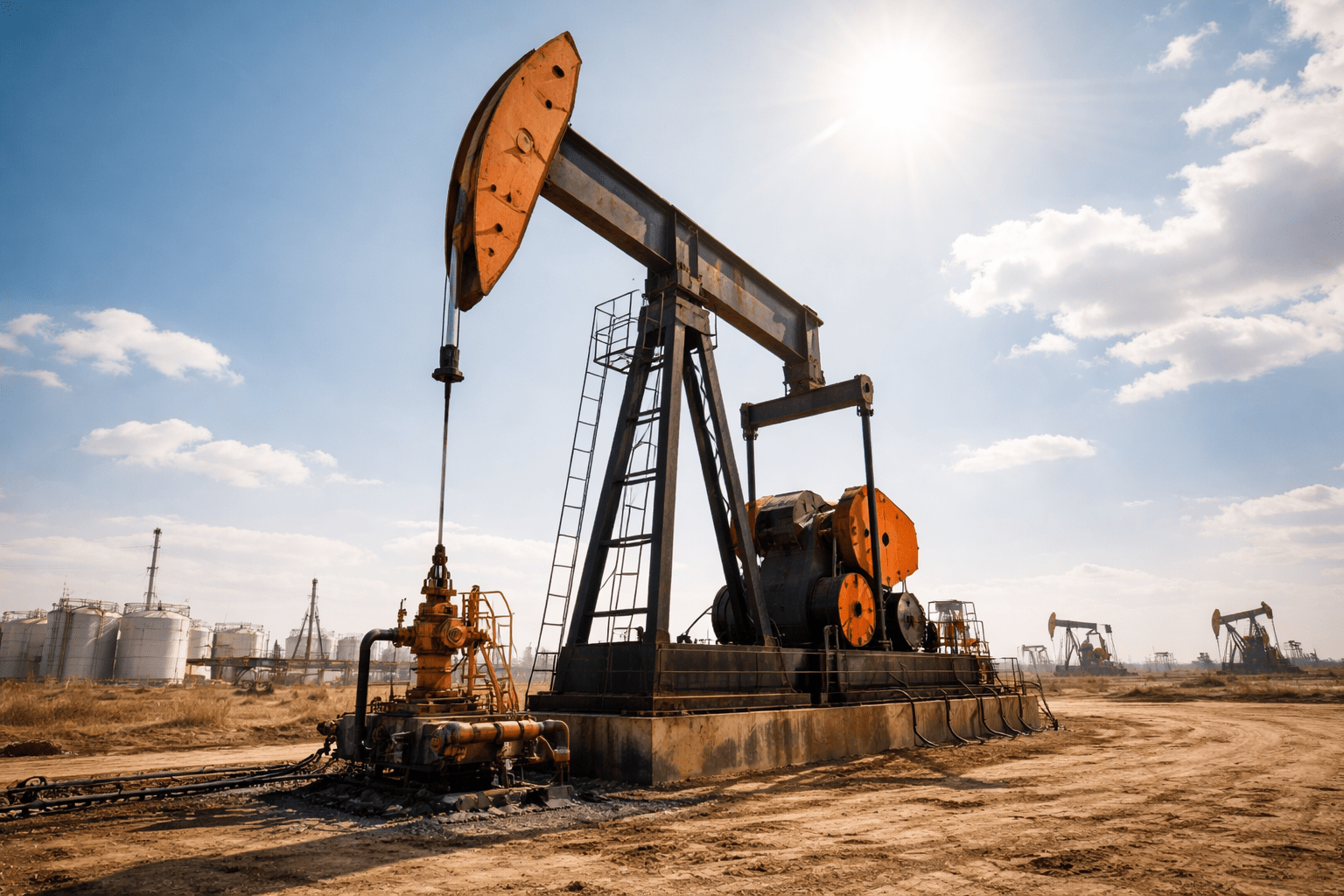
Brent crude oil prices hit a near one-month high on Wednesday as reports claimed that the US will continue to block shipments from Iranian ports in the Strait of Hormuz.
The price of West Texas Intermediate crude oil also jumped comfortably above the triple-digit figure as supply concerns gripped the market.
Gold on the other hand slipped below $4,600 per ounce as high energy prices continued to dampen hopes of lower inflation and interest rate cuts in the coming months.
Base metals were mixed with aluminium and copper contracts on the London Metal Exchange slightly higher from the previous close.
Oil prices rises
Oil prices climbed 3% on Wednesday, pushing the Brent contract to a one-month high.
This surge follows media reports that the US plans to prolong its blockade of Iranian ports, which is expected to extend supply disruptions from the crucial Middle East producing region.
The conflict between the US and Iran has reached a deadlock, despite a current ceasefire, as both sides seek a formal resolution to the fighting.
According to WSJ report, US President Donald Trump’s strategy will remain focused on economically pressuring Iran by restricting shipping to and from its ports, thereby impacting its oil exports.
UAE’s Abu Dhabi National Oil Company (ADNOC) informed some clients that they could load two grades of crude oil from locations outside the Gulf in the coming month due to the ongoing closure of the Strait of Hormuz.
Meanwhile, investors were evaluating the implications of the United Arab Emirates’ unexpected withdrawal from OPEC.
Analysts, however, do not anticipate this move to have any significant immediate effect on the market.
The UAE’s planned output increase after leaving OPEC is contingent upon a resolution in the Iran war.
This resolution must be in place to restore unrestricted energy flows through the Strait of Hormuz, according to Warren Patterson, head of commodities strategy at ING Economics.
The timing of the exit was planned well; announcing a departure during a period of significant supply disruption limits the market impact. Had this been announced any other time, we would likely have seen more downward pressure on oil prices.
The Brent crude oil July contract was trading 4.2% higher at $108.77 per barrel at the time of writing, while the WTI contract was at $103.80 per barrel, up 3.9% from the previous close.
The Brent contract had risen to $109.16 per barrel, its highest level since April 2.
Gold slips
Gold prices slipped on Wednesday, driven by concerns about sustained inflation fueled by rising oil prices.
Market focus is centered on upcoming remarks from US Federal Reserve Chair Jerome Powell regarding the prospective trajectory of interest rates.
The Iran conflict resolution efforts had stalled because Trump rejected Tehran’s latest proposal.
Trump stated that Iran had communicated to America that it was in a “state of collapse” and was currently addressing its leadership situation.
On the central bank side, investors are awaiting comments from Powell after the conclusion of the Fed’s two-day meeting later on Wednesday, as it is broadly expected to keep interest rates unchanged.
Attention will be focused on whether Powell suggests the central bank might consider further rate increases later this year if inflation picks up pace.
Gold’s appeal is diminished by high interest rates because it is a non-yielding asset.
Meanwhile, gold demand globally saw a 2% year-on-year increase in the first quarter of 2026, according to the World Gold Council’s report on Wednesday.
This overall rise was driven by a surge in central bank purchases and buying of gold bars and coins, which successfully counteracted a 23% drop in demand for jewellery.
At the time of writing, the COMEX gold contract was at $4,567.31 per ounce, down 0.9%, while silver was at $72.385 per ounce, down 1.1% from the previous close.
Copper and aluminium
Among base metals, copper prices rose after a four-day streak of losses, while aluminium was in the green due to supply chain disruptions and increased production costs.
Copper prices rose as Chinese buyers increased stockpiles prior to the Labour Day holiday.
“Despite these gains, concerns regarding global economic growth linger, particularly due to ongoing geopolitical tensions,” Neil Welsh, head of metals market at Britannia Global Markets, said in an emailed commentary.
Concerns about rising inflation are mounting as reports indicated President Trump has directed his aides to prepare for a sustained naval blockade of the Strait of Hormuz, an action that is expected to exacerbate disruptions in the flow of energy and metals.
Higher inflation would mean that the US Federal Reserve would not be able to cut interest rates anytime soon.
Elevated interest rates would hit demand for copper in factories and industries.
The Fed meeting concluding later on Wednesday will cover Powell’s communication, likely his final press conference, as the Fed is expected to hold its benchmark interest rate steady for the third time.
With inflation figures still elevated at 3%, the Fed will likely adopt a cautious stance, preferring to observe market reactions before implementing any significant policy changes.
Meanwhile, the market for aluminium is currently seeing significant instability, evidenced by a doubling of premiums, according to Welsh.
This shift is reportedly a consequence of widespread supply chain disruptions and escalating production costs.
Contributing factors include geopolitical tensions and stricter regulatory enforcement within China.
The aluminium contract on LME was at $3,550.70 per ton, up 0.3%, while copper was at $13,053.65 per ton, up 0.2%.
The post Commodity wrap: Brent crude hits 1-month high, gold slips on Iran war appeared first on Invezz