
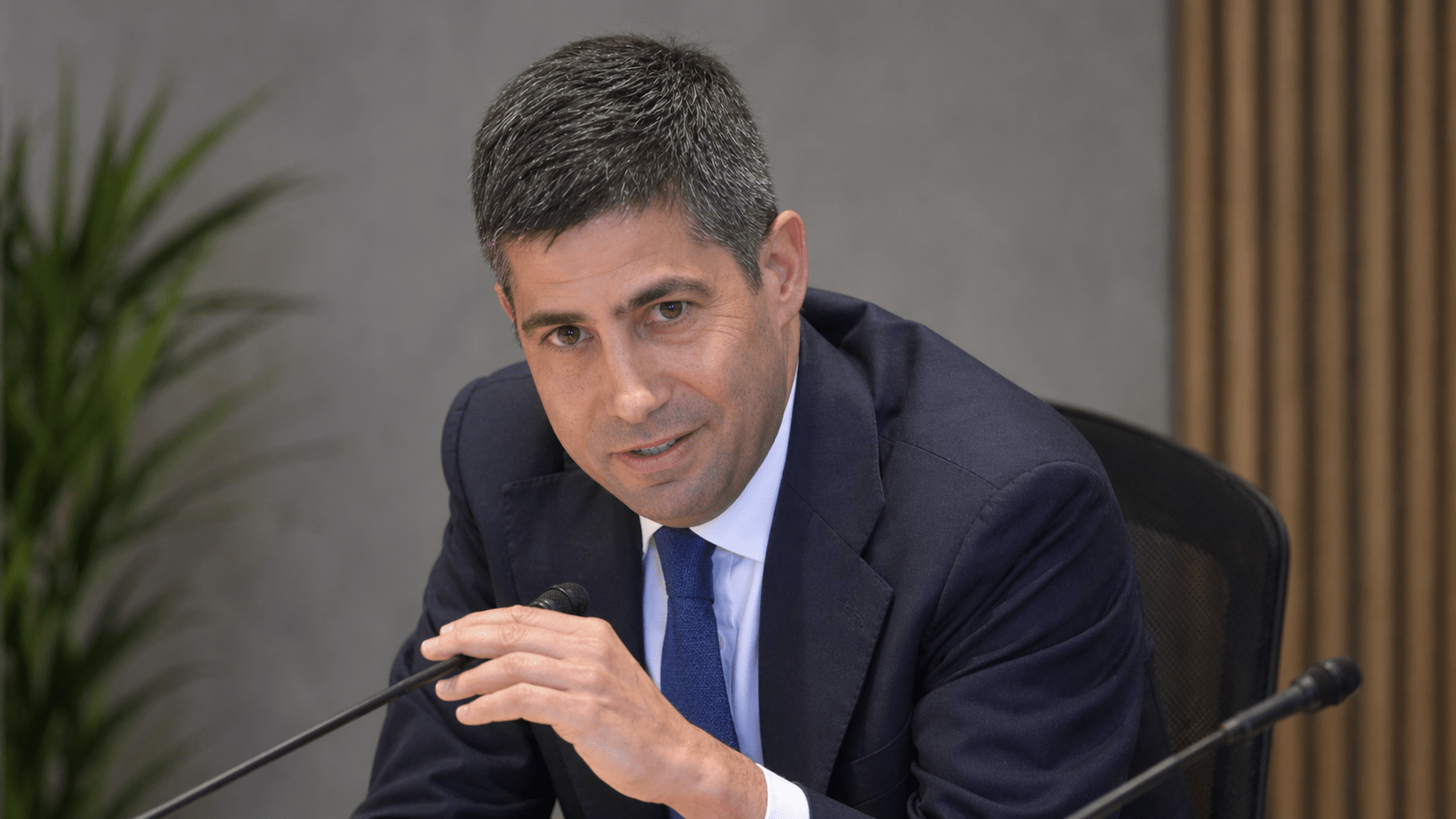
The nomination of Kevin Warsh to lead the Federal Reserve advanced on Wednesday after the Senate Banking Committee approved his candidacy in a sharply divided vote, paving the way for a final confirmation in the Republican-controlled Senate.
The committee backed Warsh by a 13–11 margin along party lines, with all Republicans voting in favor and all Democrats opposing.
The decision brings President Donald Trump’s nominee closer to replacing current Fed Chair Jerome Powell, whose term is set to end on May 15.
Committee vote clears path for confirmation
Warsh’s nomination had faced uncertainty due to opposition from Republican Senator Thom Tillis, who had threatened to block the process over a Department of Justice investigation into cost overruns linked to the Fed’s Washington headquarters renovation.
The probe, which Powell said was politically motivated, was dropped last week after US Attorney Jeanine Pirro had previously pursued it.
Tillis, who had described the investigation as “bogus” and a threat to the Fed’s independence, withdrew his opposition following assurances that the case would not be reopened without a referral from the Fed’s inspector general.
The move effectively cleared the path for Warsh’s nomination to advance.
The timing of the vote also coincided with the Fed’s latest interest rate decision, which could be one of Powell’s final policy announcements as chair.
Policy outlook and political tensions in focus
The Fed is widely expected to maintain its wait-and-see approach on interest rates, as policymakers navigate persistent inflation, a stable labor market, and price pressures linked to the Iran conflict.
Tensions between Trump and Powell have intensified in recent months, with the president repeatedly criticizing the Fed’s reluctance to cut rates more aggressively.
Trump has also indicated expectations for future policy direction under Warsh, saying in a CNBC interview that he would be disappointed if rates were not reduced promptly.
Warsh, for his part, has pledged to protect the central bank’s independence, even as he outlined potential shifts in policy strategy.
During his confirmation process, he criticized the Fed’s handling of post-pandemic inflation and suggested the need for a new framework to manage persistent price pressures, though he provided limited detail.
He has also proposed shrinking the Fed’s $6.7 trillion balance sheet and revisiting how the institution communicates with financial markets.
Democrats raise concerns over independence and transparency
Democratic lawmakers have voiced strong opposition to Warsh’s nomination, warning that his appointment could increase political influence over monetary policy.
Senator Elizabeth Warren said, “The stink of stagflation is in the air,” adding that confirmation of Warsh would help Trump dominate the Fed’s policy direction. “Trump has not been subtle about his takeover,” she said.
Concerns have also been raised about Warsh’s financial disclosures.
He and his wife, Jane Lauder, reported assets worth at least $192 million, though estimates suggest their total wealth is significantly higher. Warsh has pledged to divest certain holdings where details are not publicly disclosed.
Economists have also weighed in on the potential implications of his leadership. Gregory Daco of EY-Parthenon said in a Bloomberg report, “Taken together, this points to a more centralized, less transparent and potentially more politically-exposed policy framework.”
With the committee vote complete, Warsh now appears on track for confirmation by the full Senate, setting the stage for one of the most significant leadership transitions at the Federal Reserve in years.
The post Warsh clears key Senate vote, setting stage for Fed leadership shift appeared first on Invezz