
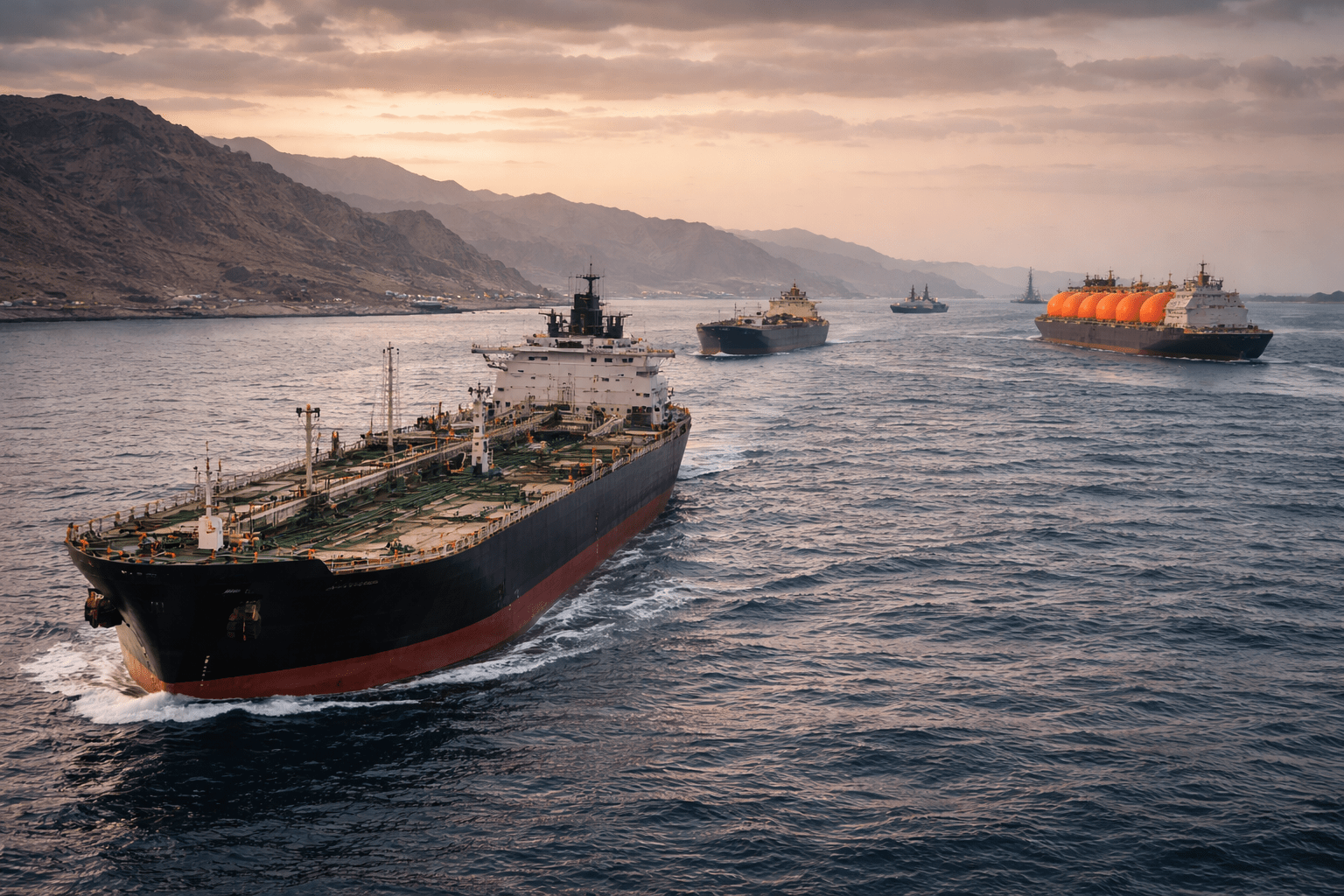
The United States issued a 30-day waiver for countries to buy sanctioned Russian oil and petroleum products stranded at sea, drawing criticism from Germany and other European allies on Friday, but approval from Moscow.
The waiver, which will last till April 11, according to US Treasury Secretary Scott Bessent, was intended to stabilise global energy markets disrupted by the Iran war.
However, this move introduces a risk of complicating Western efforts to cut off Russia’s revenue stream for its war in Ukraine.
Sanctions waiver and price reaction
Oil prices dipped on Friday, following the announcement of the waiver.
Russia’s presidential envoy, Kirill Dmitriev, estimated this waiver would impact 100 million barrels of Russian crude, a volume nearly equivalent to a full day of global oil production.
Brent crude oil on the Intercontinental Exchange fell below $100 per barrel, after trading over $102.73 per barrel earlier in the day.
West Texas Intermediate crude oil also gave up gains and was trading nearly 2% lower at $94.15 per barrel.
The decision drew criticism from German leaders. Chancellor Friedrich Merz called any move to ease sanctions on Russia “wrong.”
His Economy Minister, Katherina Reiche, suggested the decision was likely driven by domestic pressure within the US.
“Six members of the G7 expressed a very clear opinion that this was not the right signal. We then learned this morning that the American government has apparently decided otherwise,” Merz stated at a press conference in Norway.
“Again, we believe this is wrong. There is currently a price problem, but not a quantity problem. And therefore, I would like to know what other motives led the American government to make this decision,” he said.
Floating oil and Asian market dynamics
According to the International Energy Agency, around 2 billion barrels of oil were in tankers at sea.
Of these, 487 million barrels were sanctioned oil from Russia, Iran and Venezuela, which has been difficult to sell until now.
“These could serve as a source of replacement for the currently missing supplies from the Middle East for emerging Asian economies such as India and China,” Carsten Fritsch, commodity analyst at Commerzbank AG, said.
According to Vortexa, a data analytics firm, approximately 7.3 million barrels of Russian oil are currently in floating storage, with an additional 148.6 million barrels being transported in vessels.
Furthermore, LSEG shiptracking data indicated that up to 420,000 metric tons of diesel and gasoil are in floating storage and could become available for market sales.
The availability of Russian crude and oil products could ease the strain, especially in Asia.
However, experts believe that China already has massive reserves of crude oil at 1.2 billion barrels, which could cover 120 days of imports.
“In response to the current crude oil supply shortage, China has imposed an export ban on oil products, which could lead to further market tightness for diesel, particularly in Asia,” Commerzbank’s Fritsch said.
Meanwhile, data from Kpler on tanker movements indicates that Iranian oil is still reaching the market.
In the first 11 days of the war, Iran shipped 16.5 million barrels through the Strait of Hormuz.
Most of the Iranian oil is being gobbled up by China. This corresponds to an average daily volume of 1.5 million barrels.
Additionally, the recently announced release of a record 400 million barrels of oil from emergency reserves by the IEA could further ease supply concerns in Asia.
Geopolitical risks and US political drivers
A complete closure of the Strait of Hormuz would result in a significant supply gap, even with existing reserves.
The current capacity would theoretically cover the loss of oil supplies through the strait for approximately one month, according to Commerzbank’s estimates.
However, if the disruption were to last two months, a supply shortfall of about 7 million barrels per day would persist.
The March IEA monthly report indicated that imports from the crisis region varied significantly across OECD countries last year.
OECD nations in Asia and Oceania were the largest importers, taking in 3.9 million barrels per day.
European OECD countries imported 1.5 million barrels per day (not including diesel), while the US imported 550,000 barrels per day.
“In this respect, the release of emergency reserves primarily serves to support those Asian industrialised countries that are heavily dependent on oil supplies from the Middle East, in particular Japan and South Korea,” Fritsch further said.
The US issued a licence on Thursday permitting the delivery and sale of Russian crude oil and petroleum products loaded onto vessels on or before March 12.
This authorisation remains valid until midnight Washington time on April 11.
This decision to ease sanctions stems from White House concerns that rising global oil prices could negatively impact American businesses and consumers.
These concerns are particularly relevant ahead of the November midterm elections, where Republicans, the party of the current administration, aim to retain control of Congress.
The sanctions relief followed a call between US President Donald Trump and Russian President Vladimir Putin on March 9.
Subsequently, Dmitriev visited the US to discuss the ongoing energy crisis with an American delegation. This delegation included Trump’s special envoy, Steve Witkoff, and his son-in-law, Jared Kushner.
The post US waiver frees hefty Russia oil supply to Asia for now; prices dip 2% appeared first on Invezz